Before you fly: the pre-trip checklist for bug country
Most bite protection happens at home. A clinic visit when the destination calls for one, clothes treated two days out, and a repellent that fits the liquids bag. Here's the order, the TSA rules and the kit.
Look up your destination first. It decides whether you need a travel clinic 4–6 weeks before departure. Treat clothes with permethrin at home about 48 hours before you fly. Pack a skin repellent of 3.4 oz (100 ml) or less in your liquids bag and a full-size bottle in your checked bag. Aerosol insecticides stay out of the carry-on.
Start with where you're going
The right prep depends on the trip. A week in Cancún needs a daytime repellent habit for dengue. A safari in Kenya or a lodge in the Peruvian Amazon needs a travel-clinic appointment, because the CDC recommends malaria prevention medicine there. A summer week on Skye needs a midge head net. Every destination briefing spells out its own version, with the CDC's current notices.
Browse all destinations by region and season →
The countdown
- 4–6 weeks outRead your destination briefing and book a travel clinic if it flags anything. That means malaria prevention medicine, or a vaccine such as yellow fever, Japanese encephalitis or chikungunya. Some malaria medicines start before you enter the risk area, so this is the step that can't slip. Our malaria-zone checklist walks through the appointment.
- 2 weeks outFill prescriptions and set reminders, including the doses that continue after you get home.
- 48 hours outTreat your travel clothes with permethrin. Shirts, trousers and socks, sprayed outdoors and dried completely before you pack them. Treated fabric keeps working through about 5–6 washes. Permethrin goes on fabric, never on skin.
- Packing dayRepellent in two sizes and the right clothes. A 3.4 oz (100 ml) spray or lotion for the liquids bag, a full-size backup for the checked bag, and long sleeves and trousers for evenings. Add a head net for midge country and a bed net for rustic lodging in malaria areas.
- On the tripRepellent over sunscreen in the morning, because the mosquitoes that spread dengue, Zika and chikungunya bite by day, most in the morning and late afternoon. Where malaria is the concern, the routine runs from dusk to dawn: treated long sleeves, repellent on exposed skin, and a screened or air-conditioned room. Reapply after swimming; our repellent duration calculator has the hours.
- After you're homeAny fever during or after the trip means a doctor visit, and you tell them where you were. Malaria can show up weeks later.
✈ Cleared for departure. Enjoy the trip, skip the bites.
TSA rules for bug spray
Bug spray can fly with you. The rules depend on what the product is for and how big the container is.
Skin repellents, 3.4 oz (100 ml) or less per container, packed in your quart-size liquids bag under the 3-1-1 rule. TSA's carry-on allowance for bug repellent covers products meant for your skin.
Full-size skin repellents are fine. The FAA limits toiletry and medicinal items, aerosols included, to 70 oz (2 kg) or 68 fl oz (2 L) in total per person, with no single container over 18 oz (500 ml). Aerosol nozzles need a cap.
Not allowed in the carry-on. Sprays made to kill insects, rather than to go on skin, can go in a checked bag only if they aren't labeled as hazardous material.
Treat clothes at home. Permethrin is a clothing treatment, not a skin repellent, so it doesn't fit the carry-on allowance. If you bring the bottle, pack it in your checked bag.
Why we fly with pump sprays. A 3.4 oz pump or trigger spray raises no aerosol questions, fits the liquids bag and won't mist the row behind you. The TSA officer at the checkpoint has the final say on any item, and airlines can add their own limits, so check both before a tight connection.
The carry-on kit
Three things cover most trips. The full 2026 travel repellent rankings score every pick, and our picaridin vs. DEET comparison explains the choice of active ingredient.
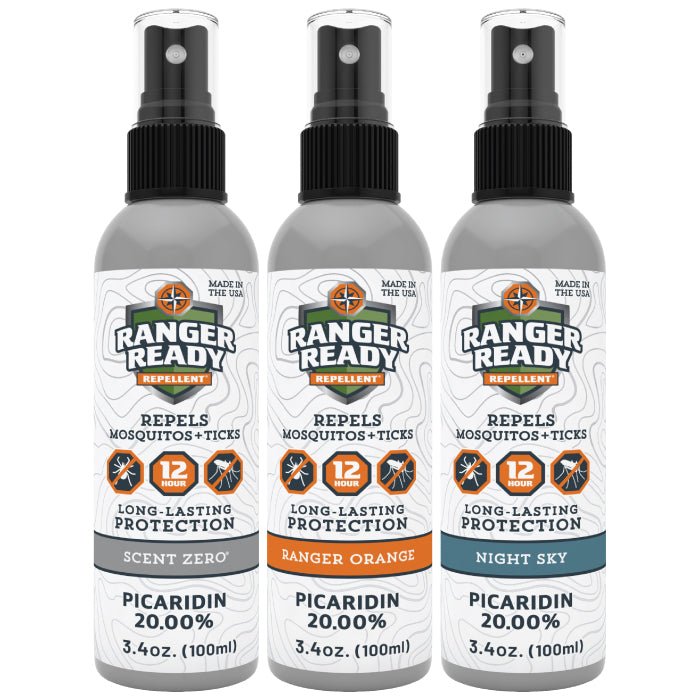
Picaridin 20% Travel Trio
Three 3.4 oz sprays sized to the TSA liquid limit, with 8–12 hours of protection against the day-biting mosquitoes that spread dengue and Zika. Picaridin won't damage sunglasses or gear.
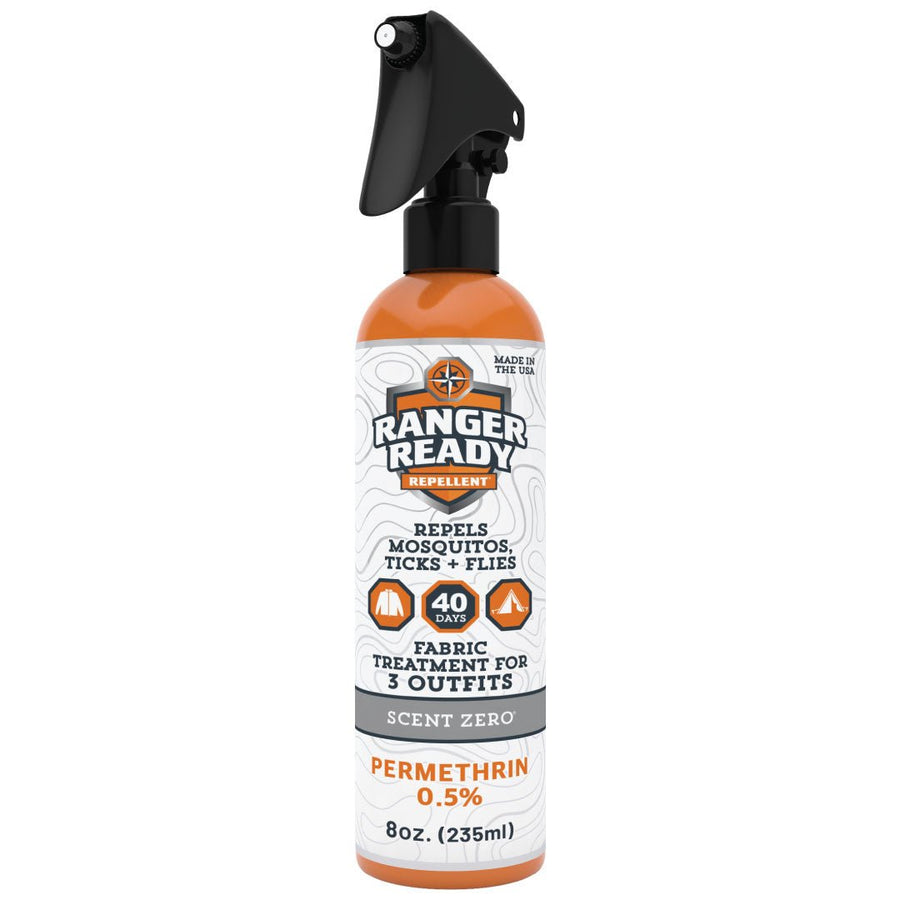
Permethrin for Your Clothes
Treat your travel wardrobe once at home. It repels and kills mosquitoes on contact through about 5–6 washes, the strongest single step for malaria areas. Fabric only, never skin.
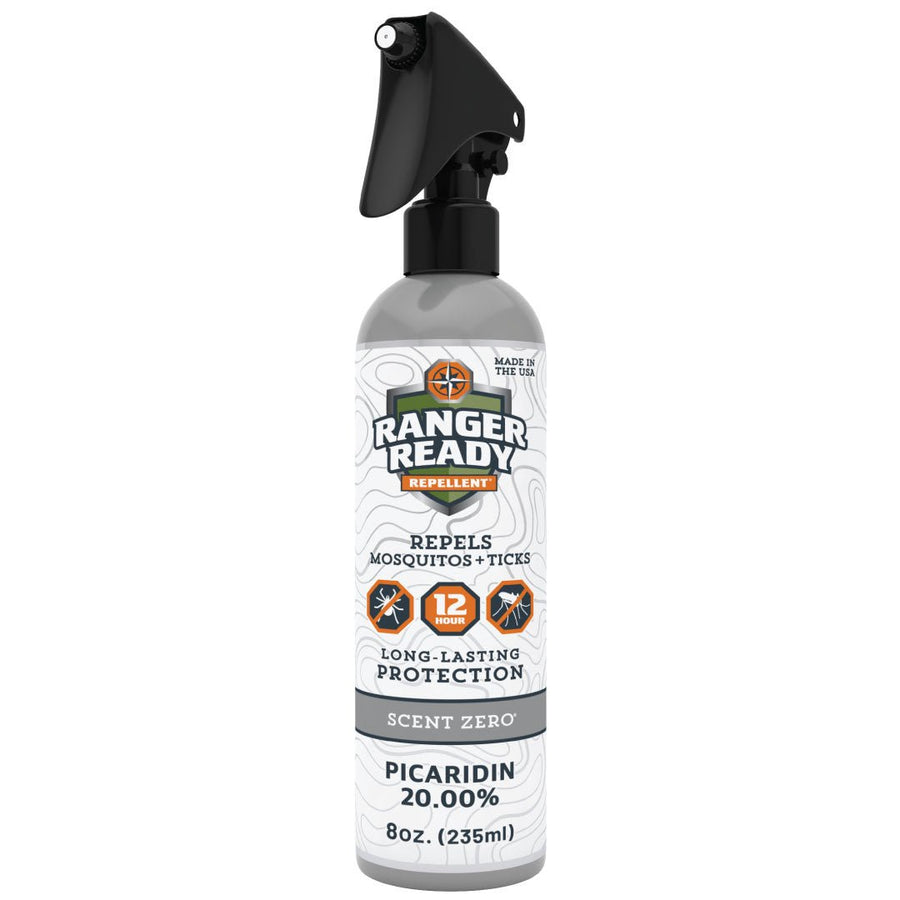
Full-Size 8 oz Backup
Two weeks in the tropics burns through travel sizes. The 8 oz trigger spray lives in the checked bag and refills your daypack bottle all trip long.
Add for some trips: a fine-mesh head net for Scotland's midges, Iceland's Lake Mývatn and Canada's black-fly season in June; a bed net for rustic lodging in malaria areas; a plug-in vaporizer for unscreened rooms. Traveling with children? Our babies, kids and pregnancy guide has the age rules.
Trips that need extra prep
- Malaria prevention medicine. The CDC recommends it for areas many Americans visit, including India (Delhi and Mumbai included), the safari parks of Kenya and Tanzania (Zanzibar included), Kruger in South Africa, the Amazon in Peru and Brazil, Palawan in the Philippines, Roatán and the province that includes Punta Cana in the Dominican Republic. Book the clinic 4–6 weeks out.
- Yellow fever. The CDC lists proof of vaccination as an entry requirement for all travelers aged 1 and older arriving in Colombia, and recommends the vaccine for most of Brazil, Rio and Iguaçu Falls included.
- Zika and pregnancy. The CDC's Level 2 notice for Bali says pregnant travelers should avoid travel there.
- Chikungunya. Active CDC Level 2 notices cover all of Nicaragua and northwest Costa Rica.
- Midges, black flies and sandflies. No disease, but bring a head net or long sleeves for Scotland, Iceland, Canada in June and Milford Sound.
Traveler questions
Can I bring bug spray in my carry-on?
Yes, if it's a repellent meant for your skin in a container of 3.4 oz (100 ml) or less, packed in your quart-size liquids bag. Aerosol insecticides, the sprays made to kill insects, are not allowed in carry-on bags.
Can I take permethrin on a plane?
Treat your clothes at home before the trip and you won't need to. TSA's carry-on allowance for bug repellent covers products applied to skin, so a permethrin bottle belongs in your checked bag. Aerosol insecticides are allowed in checked bags only if they aren't labeled as hazardous material.
How far ahead should I see a travel clinic?
Four to six weeks before departure, if your destination's briefing flags malaria prevention medicine or a vaccine such as yellow fever, Japanese encephalitis or chikungunya. Some medicines start before you arrive, and some vaccines need time to take effect.
When should I treat clothes with permethrin?
About 48 hours before you fly, so the clothes can dry completely before you pack them. Treated fabric keeps working through about 5–6 washes, which covers most trips.
Sources
Checked October 2026. This page summarizes official guidance and is not medical advice; for malaria prevention and vaccines, see a travel medicine clinic.