Independent & reader-supported · We earn commissions on some links — disclosure
NoBites Abroad · Best Travel Repellents
Ranked & Scored · 2026 Edition

The best mosquito repellents for travel, ranked.

Every pick below fits a carry-on, earns its place in a dengue or malaria zone, and won't stink up a beach bar. Scores weigh protection hours, how each behaves in tropical heat and humidity, airport friendliness, and what it does to your gear.

The 30-second answer

For most travelers: a 20% picaridin pump in a TSA-legal 3.4 oz bottle — 8–12 hours against the day-biting Aedes mosquitoes behind dengue and Zika, zero odor, and it won't attack sunglasses or synthetics. Heading into malaria country? Add a second layer: treat your travel wardrobe with permethrin at home before you fly, then keep the picaridin for exposed skin. That two-layer setup is what tropical-disease clinics actually tell their patients. Timing your re-applications? Our duration calculator does the math per ingredient.

★ No. 1 · Best Overall for Travel
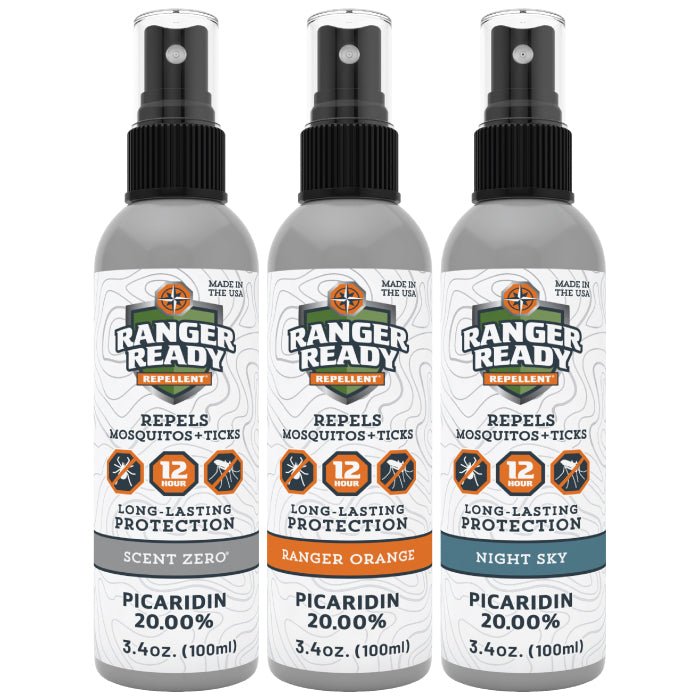
Ranger Ready Picaridin 20% travel 3-pack, 3.4 oz TSA-compliant bottles
Skin repellent · 3× 3.4 oz pump

Ranger Ready Picaridin 20% — Travel 3-Pack

9.5 / 10

Three carry-on-legal bottles of 20% picaridin: one for the daypack, one for the suitcase, one for whoever forgot theirs. A fine pump mist covers fast, disappears without scent, and kept working through sweat-soaked temple days on our test trips. This is the bottle we reach for from breakfast to last call in dengue country — and it leaves watch straps, sunglasses and quick-dry fabric alone.

8–12 hr protection per application 3.4 oz = sails through security Odorless; fine for shared taxis & tours Pricier per ounce than one big bottle
No. 2 · Best for Malaria Zones & Clothing
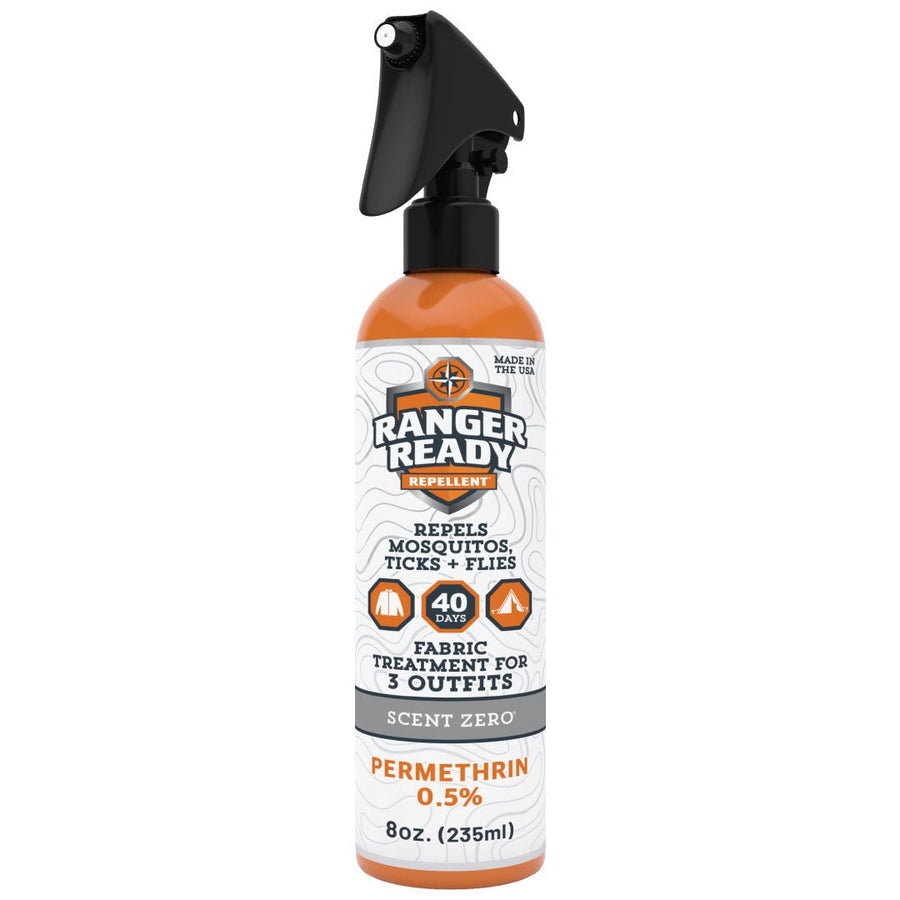
Permethrin 0.5% fabric spray for treating travel clothing
Clothing treatment · 0.5% spray

Permethrin Fabric Spray (Sawyer / Ranger Ready)

9.2 / 10

The single highest-leverage prep for safari, jungle lodges, and anywhere malaria's night-biting Anopheles mosquitoes hunt: spray your travel wardrobe at home about 48 hours before departure and the fabric itself kills mosquitoes on contact for roughly 5–6 washes — your whole trip and then some. Sawyer and Ranger Ready versions performed the same for us; grab whichever's cheaper. Full how-to at our sister site: applying permethrin step by step.

One treatment covers an entire trip Works while you sleep, sweat, forget Prep job — useless if you pack it and treat nothing Fabric only, never skin; keep wet spray from cats
No. 3 · Best for Long Trips & Families
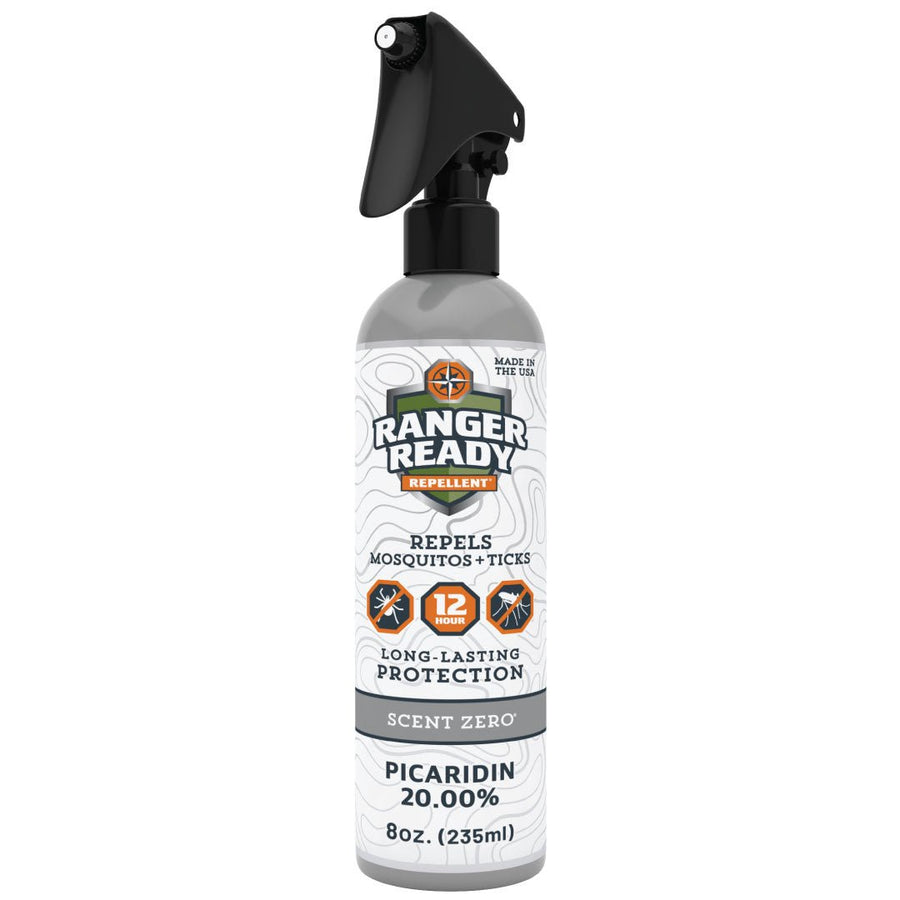
Ranger Ready Picaridin 20% Scent Zero 8 oz bottle
Skin repellent · 8 oz pump

Ranger Ready Picaridin 20% — 8 oz Scent Zero

9.0 / 10

Same 20% picaridin as our winner in a checked-bag size that lasts a month-long trip or a family of four. The economics flip once you're gone more than two weeks: bring this in checked luggage and refill a small pump bottle each morning. Suitable for kids past the label age and for pregnancy per CDC guidance on EPA-registered repellents.

Cheapest per ounce of our picaridin picks One bottle, whole family, whole trip 8 oz — checked luggage only
No. 4 · Best for Flights & Sensitive Skin
Skin repellent · lotion

Sawyer Picaridin 20% Lotion

8.6 / 10

A lotion earns its seat when spraying isn't an option: cramped plane rows, overnight buses, kids who squirm, skin that hates aerosol chill. Sawyer's 20% picaridin lotion rubs in like light sunscreen, protects as long as the sprays, and a small tube slides into the liquids bag. We don't earn a commission on this one — it's here because it's genuinely the best answer for in-transit application.

Not an affiliate link — just a good product. Find it at any outdoor retailer.
No. 5 · Best Budget Backup
Skin repellent · individually wrapped wipes

Ben's 30% DEET Travel Wipes

8.1 / 10

A handful of wrapped DEET wipes weighs nothing, never counts against your liquids, and rescues the day your pump bottle leaks, empties, or gets confiscated. DEET at 30% is battle-tested against essentially everything that bites — the trade-offs are the classic smell and that it can haze plastics and synthetics, so keep it off sunglasses and technical fabric. Toss five in every bag and forget them until you need them.

Not an affiliate link — honest budget pick. Widely available in outdoor and drug stores.
Side by side

Which repellent for which trip?

Picaridin 20%Permethrin (clothing)DEET 30%"Natural" oils
Protection window~8–12 hrs~5–6 washes per treatment~5–8 hrsUnder ~2 hrs, inconsistent
Dengue/Zika daysIdeal — daily wearHelpful extra layerWorks, heavier feelNot in a risk zone
Malaria nightsOn skin at dinner & dawnThe must-do prepWorksNo
Carry-on friendlyYes at 3.4 ozTreat at home, fly with nothingYes at 3.4 oz (pump)Yes, sadly
Gear & sunglassesSafen/a — it lives on fabricCan damage plastics/syntheticsSafe
Smell on a tour busNone (unscented)None once dryNoticeableStrong botanical

Windows are planning estimates that shrink with sweat, swimming and tropical heat — details and sources in our duration calculator. Not medical advice; for malaria prophylaxis see a travel clinic before departure.

How we picked

Scored for the airport, the itinerary, and the bites.

Protection first

Only EPA-registered actives made the list — picaridin, permethrin, DEET — at the concentrations with real evidence behind them. Botanical sprays failed too fast in the heat to rank.

Travel logistics count

A repellent that can't board the plane, or that fogs a rental car with chemical smell, loses points no matter how well it repels. TSA sizing, pump vs aerosol, and social tolerability are scored.

Tropics-tested behavior

Sweat, sunscreen layering, humidity, daily reapplication on the road — we score how each product holds up in the conditions dengue and malaria travel actually involves.

Honesty over commission

Two of five picks earn us nothing. We rank what we'd pack for our own trips; commissions on the rest are disclosed and never reorder the list.

Free tool How many hours will yours last? → Pick your ingredient and strength, get a protection window plus a re-apply schedule for your day out.

Products are half the equation — the routine is the other half. Our complete protection guide covers when and how to use each layer, and the country briefings map dengue and malaria risk region by region. If your travels stay in North American tick country, our sister publication TickWise runs the equivalent field-tested rankings for tick repellents.

Traveler questions

Before you pack it…

What's the best mosquito repellent for travel?

For most itineraries: 20% picaridin in a TSA-legal 3.4 oz pump — 8–12 hours per application against day-biting Aedes mosquitoes, no odor, kind to gear. For malaria destinations, layer it with permethrin-treated clothing done at home before departure. That combination outperforms any single product.

What do travel clinics recommend for dengue and Zika zones?

EPA-registered actives — picaridin 20% or DEET 30% — with picaridin increasingly the daily-wear favorite. The routine matters more than the brand: dengue and Zika mosquitoes bite in daylight, so it's sunscreen first, repellent on top, every morning. The CDC specifically advises pregnant travelers in Zika areas to use an EPA-registered repellent.

Are wipes better than sprays for flying?

They're the better transit tool: no aerosol restrictions, no misting your seatmate, easy in a security line. For everything else a pump spray covers faster and more evenly — which is why wipes rank as our backup pick rather than a main repellent.

How much repellent for a two-week trip?

Rough planning math: one 3.4 oz bottle ≈ a week to ten days of once-daily full coverage for one person. High-risk destinations with reapplication: two travel bottles per person, or a full-size in checked luggage that refills a small one each morning.